“`html
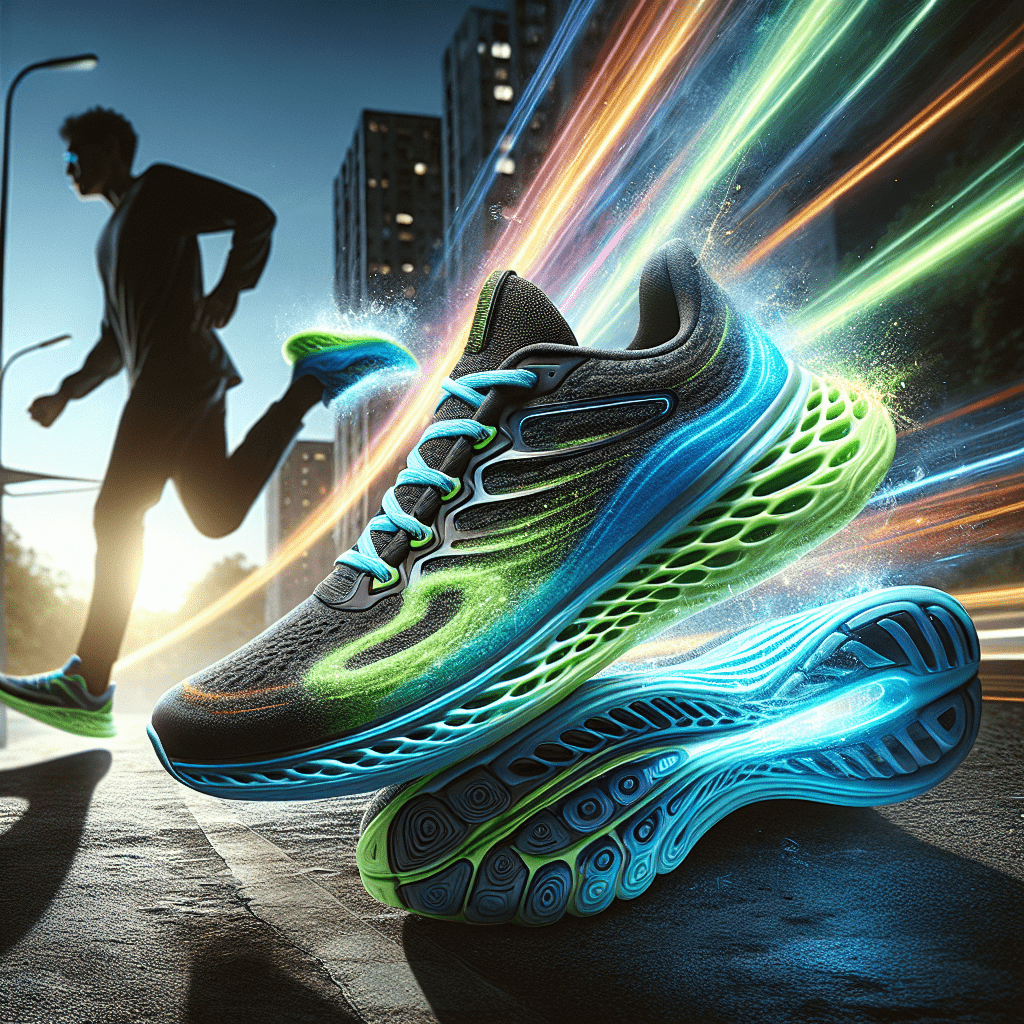
Maximize Your Running Performance with Cushioned Running Shoes
Have you ever wondered why your feet feel tired and achy after a long run? Or why some people seem to glide effortlessly while you’re left struggling to keep pace? The secret might just lie in your shoes. This is where cushioned running shoes come into play. They can help you put more spring in your step and keep your feet happier!
In today’s fast-paced world, running has become more than just exercise—it’s a way to unwind, connect with nature, and meet health goals. If you’re passionate about running, finding the right pair of shoes is just as crucial as your training plan. Let’s dive into why cushioned running shoes are a game changer.
Why Cushioning Matters
Imagine running without any padding under your feet. Uncomfortable, right? That’s what happens when your shoes lack proper cushioning.
Cushioning in running shoes serves several critical functions:
- Shock Absorption: Every step you take sends shock waves through your body. Cushioning helps absorb the impact, reducing the stress on your joints and muscles.
- Support and Stability: It offers support to your arches and enhances stability, which is essential for maintaining good form.
- Energy Return: A well-cushioned shoe can store and return energy with each stride, potentially improving your running efficiency and speed.
Think of cushioning as a personal suspension system, much like the shocks in a car that smooth out bumpy rides.
Types of Cushioned Running Shoes
When shopping for cushioned running shoes, you’ll come across several types, each designed for different running needs and preferences.
1. Neutral Cushioned Shoes
These are a great choice if you have a natural gait without excessive pronation. They offer excellent shock absorption and comfort, making them perfect for road runners or anyone who prefers a soft feel underfoot.
2. Stability Shoes
If you overpronate slightly—where your foot rolls inward as you run—stability shoes might be for you. They provide a mix of cushioning and structural support to keep your foot in check and prevent injuries.
3. Motion Control Shoes
For those with severe overpronation, motion control shoes are the way to go. They are the heavy-duty pick, offering maximum support and durability to help manage your foot’s movement.
How to Choose the Right Pair
Buying running shoes might feel a bit overwhelming, especially with countless options available. Here are some quick tips to keep in mind:
- Know Your Foot Type: Determine if you have flat feet, high arches, or a neutral arch since this affects which shoe will be most comfortable.
- Consider Your Running Habitat: Are you a trail runner or a treadmill enthusiast? Your typical running environment will influence your choice.
- Test Them Out: Always try on shoes and take them for a mini-run in the store. Comfort is critical!
- Seek Expert Advice: Don’t hesitate to ask for help. Store clerks at running specialty stores are usually knowledgeable and can recommend the best options for you.
Personal Experience: My Running Journey
I remember my first long run vividly. I laced up an old pair of sneakers that had zero cushioning. Five miles in, my knees ached, and my feet felt sore. It was a wake-up call! After investing in a pair of high-quality cushioned running shoes, my running experience transformed dramatically. Every run became a joy, and those nasty joint pains were a thing of the past. It’s like running on clouds now!
Ready to Lace Up?
Ultimately, the right pair of cushioned running shoes can enhance your performance, comfort, and possibly prevent injury—keeping your running journey enjoyable and sustainable. Whether you’re preparing for a marathon or just starting, make sure to invest in a pair that suits your needs. So next time you hit the track or trail, remember that the right shoes are your trusty sidekick, ensuring every stride counts.
Are you ready to elevate your running game with the perfect pair of cushioned running shoes? Happy running!
“`
Leave a Reply